
BLOG
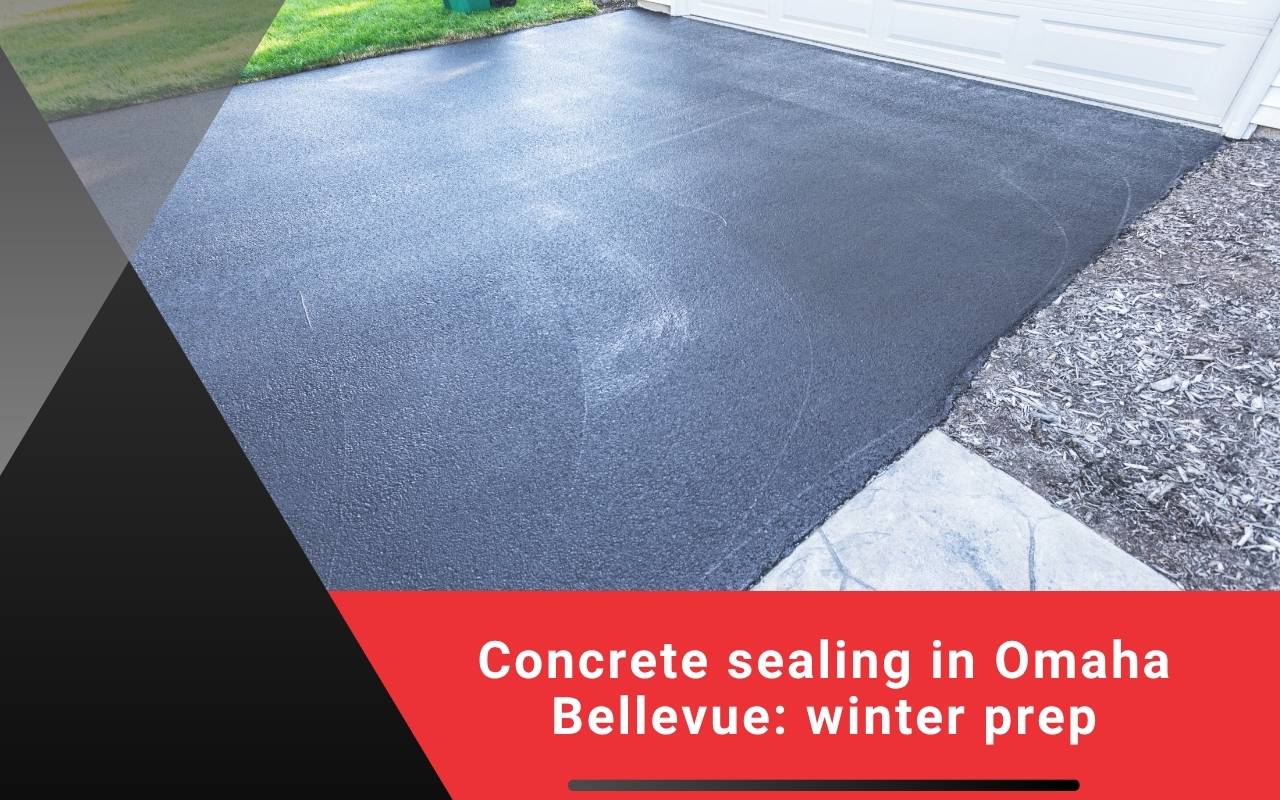
Concrete sealing in Omaha & Bellevue: winter prep
Prepare your home for cold months by protecting concrete surfaces now. In Omaha and Bellevue, harsh weather can harm driveways and sidewalks. Frequent freeze-thaw cycles create cracks that get expensive if ignored. By choosing Concrete Sealing Omaha early, you help your property face winter without extra damage.
Enjoy peace of mind knowing your surfaces are protected. Local contractors offer winter specials and a free estimate, so it is a smart time to act. Concrete Sealing Omaha improves durability and preserves curb appeal all year. With the right treatment, winter does not have to beat up your driveway or sidewalk.
Benefits of Concrete Sealing for Winter Protection
Concrete Sealing Omaha creates a clear shield against moisture and ice. A quality sealer closes small pores, so water cannot get in. During melt cycles, sealed slabs resist cracking and spalling. The barrier also limits salt and chemical damage, which keeps surfaces neat and strong.
Blocks water entry and eases winter cleanup.
Reduces cracking from freeze-thaw stress.
Shields against salt and de-icing products.
Enhances color and gives a uniform look.
Fresh sealer slightly darkens the surface for a richer tone. Hire a local contractor to schedule driveway sealing and sidewalk sealing while winter specials run. Many include a free estimate, so you know the scope and cost before work starts. Learn more in Benefits of Concrete Sealing: Protection and Benefits of Concrete Sealing: Durability.
Importance of Winter Prep for Concrete Surfaces
Skipping prep often means costly spring repairs. Unsealed concrete absorbs water. When that water freezes, it expands and forms tiny fractures that spread. Sealing driveways and walkways before cold days lowers stress and reduces patching costs. Sealed sidewalks are less porous, so snow and ice clear easier and faster.
Plan your winter prep with a local contractor. Many offer winter specials and a free estimate to fit your budget. You also get guidance on cleaning, crack filling, and timing. Doing this preventive work supports Concrete Sealing Omaha and helps your property through harsh weather.
Understanding Freeze-Thaw Cycles in Omaha & Bellevue
Freeze-thaw cycles happen when water slips into tiny gaps, freezes at night, and expands. When it melts, gaps get bigger. Repeating this for weeks wears down concrete and leads to flaking or deeper cracks. Knowing these swings helps you protect driveways and sidewalks.
In Omaha and Bellevue, several cycles can hit in one week. Sidewalk sealing and driveway sealing reduce water entry at the source. A well-applied sealer acts like an invisible coat that sheds moisture. Quick action before the first hard freeze means fewer repairs and smoother winter care.
Signs of Damage to Watch Out For
Watch for early warning signs, so you can act fast and avoid larger fixes later.
Hairline cracks that widen after freezes.
Spalling or peeling surface layers.
Uneven sections near edges or slopes.
Dark patches that show moisture pooling.
Rust stains near metal parts, which may mean corrosion.
If you see these issues, schedule sidewalk sealing or driveway sealing soon. Ask a local contractor for a free estimate to confirm if sealing is enough or if repairs are needed.
The Process of Concrete Sealing: Step-by-Step Guide
Good sealing follows simple steps for lasting results. First, deep clean to remove dirt, stains, and salt. Next, fill and smooth cracks. Finally, apply sealer and let it cure as recommended. Proper timing ensures a strong bond that handles winter conditions.
Clean and rinse thoroughly.
Repair cracks and level low spots.
Apply sealer with roller, sprayer, or brush.
Allow light foot traffic in hours; full cure in 24–48 hours.
Many teams provide Concrete Sealing Omaha with winter specials and a free estimate. They use sealers designed for freeze-thaw stress and ensure full coverage for the season.
Choosing the Right Sealer for Your Concrete
Pick a sealer based on your concrete’s porosity and exposure. Acrylic options are popular for driveways and sidewalks because they resist UV and keep a natural look. For heavy wear and de-icers, a penetrating sealer may be better. It soaks in and repels water without changing the surface.
Ask a local contractor during winter specials for advice. They will review your slab and suggest the best fit for Omaha and Bellevue. A free estimate lets you compare products and coverage. For broader service info, see Concrete Sealing Nebraska.
DIY vs. Professional Sealing: Pros and Cons
DIY sealing can save labor costs on small areas. You can buy sealer, wash the surface, and apply it yourself. However, mistakes with cleaning, repair, or timing can cause uneven coverage and weak protection.
Hiring a local contractor brings tools, experience, and steady results. Pros handle prep and application with tested methods. Many offer winter specials and include a free estimate. While labor adds cost, longer life and warranties often offset the price.
Maintaining Sealed Concrete Surfaces During Winter
Once sealed, maintain it well. After snow, use a plastic shovel to avoid scratching. Choose ice melt labeled safe for sealed concrete. Use it lightly. Avoid sand that can grind into the surface and cause abrasion.
Rinse away salt and debris during milder weather. After each heavy thaw, check for new cracks or worn spots. Small touch-ups with a brush keep protection strong until spring. This simple care supports Concrete Sealing Omaha performance.
Special Winter Offers from Local Contractors
Many local contractor teams run winter specials for Concrete Sealing Omaha and Bellevue homes. Deals may include a free estimate, bundled pricing for driveway sealing and sidewalk sealing, and sometimes crack repairs or sealant upgrades at no extra cost.
Ask about bundle savings for multiple surfaces. Some contractors include maintenance checks or future discounts. Check reviews and ask neighbors for tips. Then schedule your free estimate and contact us to secure your spot before temperatures drop.
Frequently Asked Questions
How often should I reseal my driveway?
Most driveways need resealing every two to three years, depending on traffic, sun exposure, and winter de-icers.
Can sealing fix existing cracks?
Sealing does not fix structural cracks. Minor cracks should be filled before sealing to prevent water entry.
What temperature is best for sealing?
Ideal air and surface temperatures are typically 50–80°F. Avoid rain and freezing conditions during curing.
Will sealing make the surface slippery?
Most sealers are not slippery when applied right. Additives can increase traction on slopes or high-traffic spots.
How long before I can drive on it?
Light foot traffic is often fine in a few hours. Allow 24–48 hours before vehicle traffic, based on product guidance.
Securing Your Concrete Surfaces for a Hassle-Free Winter
Protecting driveways and sidewalks starts with timely Concrete Sealing Omaha service. Seal early to stop moisture, freeze-thaw cracking, and surface wear. Working with a local contractor offering winter specials and a free estimate delivers reliable results and peace of mind.
Investing now brings fewer repairs, better curb appeal, and safer, stronger surfaces all season. Do not wait for a hard freeze—schedule your project today and enjoy a smooth winter.


Cracks, gaps, and surface wear weaken concrete, causing costly damage. You need a solution that lasts. That’s where we come in. Our expert team specializes in sealing and caulking, ensuring durable surfaces that withstand time and weather.
Contact
Omaha, NE 68157
Monday through Friday from 7:00 a.m. to 6:00 p.m.
Saturday: 8 am a 4 pm
Payment Methods: Checks and Cards