
BLOG
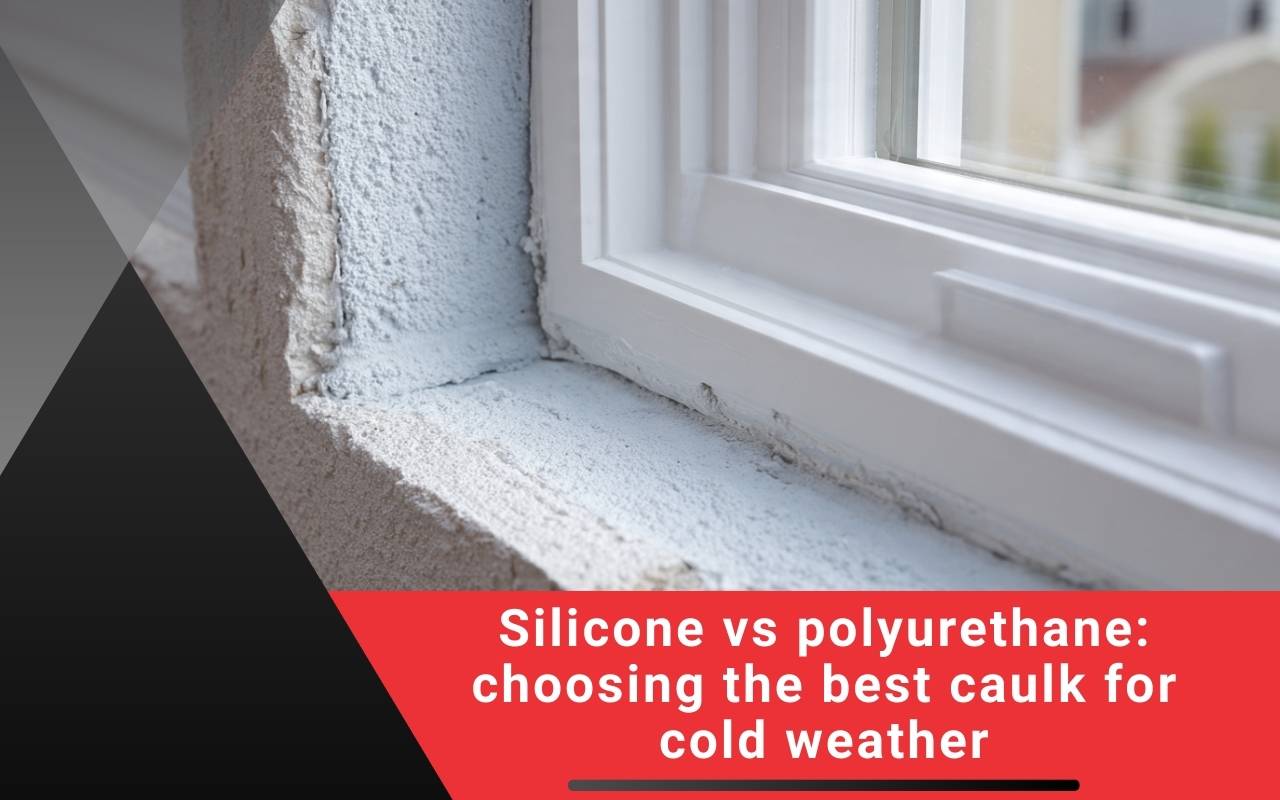
Silicone vs polyurethane: choosing the best caulk for cold weather
Polyurethane vs silicone caulk cold decisions matter when winter hits Bellevue, NE and your home faces harsh outdoor conditions. Freezing mornings make simple maintenance harder. When you seal joints or fix small gaps, the wrong caulk fails fast.
Cold climates demand sealants that stay elastic, resist UV rays, and still grip tightly as materials move. Silicone shines with flexibility and sun resistance, while polyurethane stands out for strong adhesion and dependable performance on many surfaces. By understanding each option, you can choose a cold-weather caulk that lasts through many harsh Bellevue, NE winters.
Silicone caulk: main benefits
Silicone caulk is a popular choice for cold-weather applications because it stretches and compresses without cracking. It easily handles expansion and contraction in building materials. As temperatures swing above or below freezing, joints stay sealed and flexible.
Holds a flexible, watertight seal around windows, doors, and siding in changing weather.
Maintains strong joint sealing performance in areas with frequent freeze–thaw cycles and moisture.
Resists UV damage, so exterior beads stay stable and do not yellow quickly in bright sun.
Discourages mold and mildew growth, which reduces cleaning and upkeep in damp locations.
Because silicone clings well to glass, tile, and many finished surfaces, it suits detailed work around trim and fixtures. For homeowners in Bellevue, NE who want low-maintenance results, it offers a simple way to protect busy exterior and interior areas.
Polyurethane caulk: advantages and features
Polyurethane caulk is known for excellent adhesion strength. It bonds firmly to metal, wood, masonry, and many plastics, so gaps stay closed even as materials shift. This strong hold is especially helpful on older or rougher surfaces that challenge other sealants.
Provides durable joint sealing on concrete, brick, and stucco exposed to traffic and impact.
Resists abrasion and general wear, making it suitable for high contact areas and busy walkways.
Helps reduce noise transfer through gaps because of its dense, sound-damping texture.
Pairs well with backer rod to fill deeper joints at the correct depth and shape.
When you repair driveways, steps, or patios, polyurethane handles demanding work very well. For deeper exterior gaps, many homeowners review tips on sealing gaps in concrete before starting, then choose polyurethane for a long-lasting bond.
Adhesion strength comparison between silicone and polyurethane
When you compare polyurethane vs silicone caulk for cold jobs, polyurethane usually grips porous surfaces better than silicone. It anchors firmly into tiny holes in brick, stone, and unfinished wood. Therefore, it often becomes the preferred option for foundations, steps, and rough siding.
However, silicone still offers reliable adhesion on smooth, nonporous surfaces such as glass, glazed tile, and many metals. It shines where small but frequent movement occurs. So, areas like window frames, bathroom fixtures, and metal flashing often benefit more from silicone’s forgiving, long-term hold.
Flexibility: how silicone and polyurethane differ
Silicone stands out for its ability to stretch a great deal and still return to its original shape. This high flexibility helps it manage expansion and contraction, which protects seals in joints that move daily with wind, traffic, or temperature swings.
Polyurethane is less stretchy but tougher. It handles some movement, yet it truly excels where movement is limited, and impact is higher. In joints that experience heavy foot traffic or frequent contact with tools or equipment, polyurethane’s toughness keeps the bead from tearing or peeling away.
UV resistance: silicone’s advantage over polyurethane
Sunlight slowly weakens many building materials. Under strong UV rays, polyurethane can fade, chalk, and eventually turn brittle. Cracks may appear along exposed joints, which let water and air sneak into the structure over time.
Silicone resists UV damage much more effectively. It usually keeps its color, flexibility, and grip even after years of sun. For exterior trim, siding joints, and bright winter days when light reflects off snow, silicone gives homeowners extra confidence that seals will last.
Temperature extremes: performance variation in cold weather
For polyurethane vs silicone caulk cold performance, it helps to see how each product behaves at low temperatures. Silicone generally stays soft and easy to work with, even when the air dips below freezing. This quality allows continuous sealing during long, cold days.
Polyurethane can become stiffer during very cold weather, and that stiffness makes neat application more challenging. Yet, once it cures under the right conditions, it endures harsh winter temperatures very well. Planning your work for a slightly warmer window often gives polyurethane the best chance to cure correctly.
Application tips for silicone caulk in cold weather
To improve results, choose a silicone labeled for cold-weather application. Always clean and dry the surface before you start. Remove dust, ice, loose paint, and old caulk so the new bead bonds properly.
Store the cartridge and caulk gun indoors until you are ready to work outside.
Apply steady pressure and move the nozzle slowly to form an even bead.
Tool the bead immediately with a gloved finger or tool for strong contact and a neat look.
Allow extra curing time, because low temperatures slow the chemical process that hardens the seal.
Application tips for polyurethane caulk in cold weather
Begin with a polyurethane formula rated for lower temperatures. As with any sealant, careful surface preparation matters. Make sure the joint is clean, dry, and free from ice before you begin.
Use backer rod in deeper joints so the bead forms the correct hourglass shape.
Cut the nozzle at a small angle and move at a steady pace to avoid gaps and air pockets.
Warm the cartridge slightly indoors, following the manufacturer's advice, to improve flow without overheating the material.
Tool the bead quickly, because polyurethane can skin over fast and may become harder to shape.
Choosing the right caulk for your cold-weather project
When planning polyurethane vs silicone caulk for cold projects, start with surface type, joint size, and expected movement. If you need maximum flexibility, especially where expansion and contraction are constant, silicone is often the better match. Its soft texture and UV resistance protect busy joints exposed to bright sun and shifting temperatures.
For projects that demand a heavy-duty grip on rough masonry or wood, polyurethane usually stands out. It gives solid support to driveways, steps, and structural joints. In addition, homeowners near Bellevue, NE, who prefer expert help can explore caulking services in Lincoln, NE, or caulking services in Columbus, NE, for more complex work.
Frequently asked questions
Which caulk lasts longer in cold climates?
Longevity depends on location and surface. Silicone often lasts longer on exposed, sunlit joints that flex a lot. Polyurethane can last longer on rough, shaded masonry where grip matters more than extreme flexibility.
Is silicone or polyurethane easier to apply in winter?
Silicone usually remains softer and flows better in low temperatures, so many people find it easier to work in winter. Polyurethane may need warmer storage and more careful timing to apply smoothly in the cold.
Can I paint over silicone and polyurethane caulk?
Most polyurethane products are paintable once cured, which helps blend repairs with nearby surfaces. Standard silicone often resists paint. If you must paint over silicone, choose a special paintable formula recommended by the manufacturer.
Where should I use each caulk type around my home?
Use silicone around windows, doors, siding, kitchens, and baths where movement and moisture are common. Choose polyurethane for foundations, driveways, steps, and larger masonry joints that need a stronger, more rugged bond.
How do I decide between them for a specific project?
For most polyurethane vs silicone caulk cold questions, the best option depends on whether you need flexibility or maximum grip. Consider sunlight, moisture, surface type, and movement, then follow label guidance for safe temperatures and curing times.
Making informed decisions for durable seals
When you compare both sealants, think about which factors matter most in your space, such as flexibility, UV resistance, or adhesion. Each product offers unique strengths for different cold-weather application needs, from small window joints to wide concrete gaps.
By matching polyurethane vs silicone caulk cold strengths to each task, Bellevue, NE homeowners enjoy seals that survive many winters. With solid preparation, careful application, and the right material, joints stay tight through freeze, thaw, and every season that follows.


Cracks, gaps, and surface wear weaken concrete, causing costly damage. You need a solution that lasts. That’s where we come in. Our expert team specializes in sealing and caulking, ensuring durable surfaces that withstand time and weather.
Contact
Omaha, NE 68157
Monday through Friday from 7:00 a.m. to 6:00 p.m.
Saturday: 8 am a 4 pm
Payment Methods: Checks and Cards