
BLOG
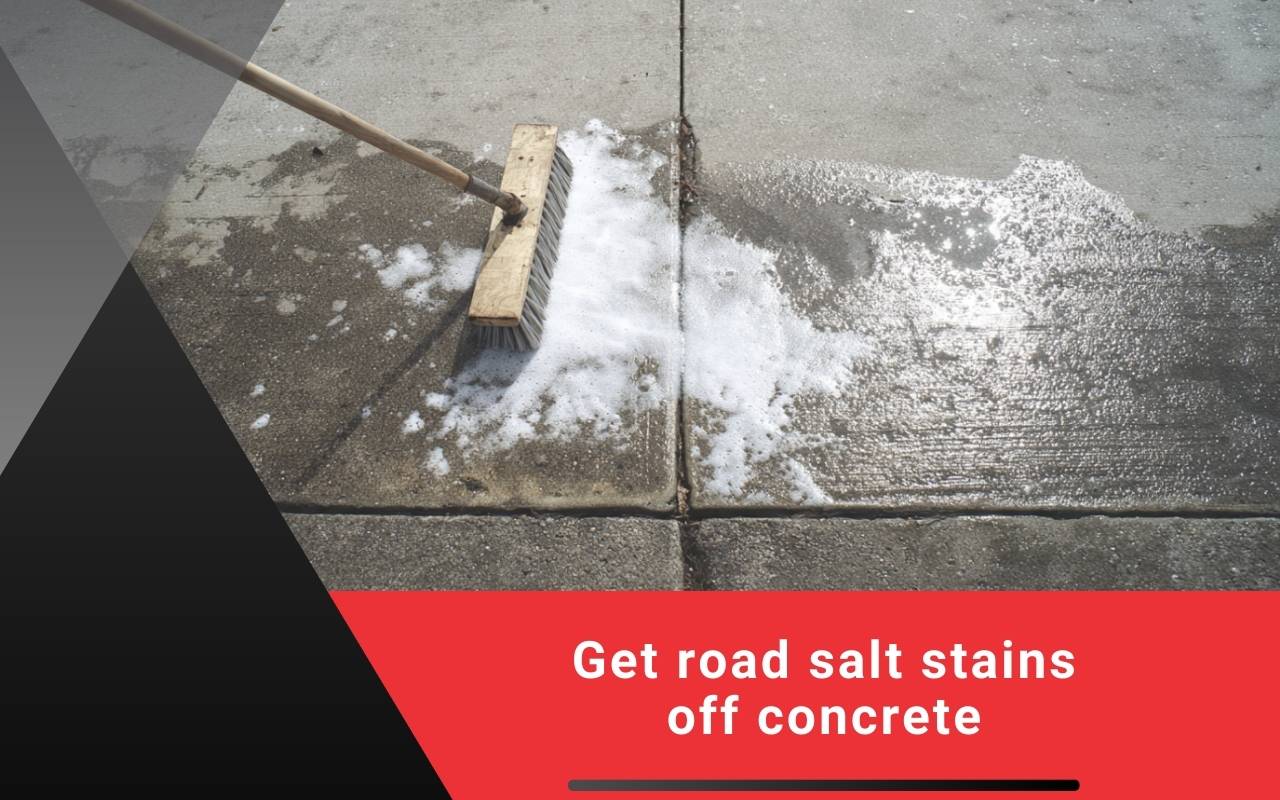
Get road salt stains off concrete
Remove road salt stains from concrete without harming the surface by using simple cleaning and protection steps. Each winter, melting snow leaves white streaks and dull patches on driveways, walkways, and patios. These marks look bad and also warn you about deeper damage starting inside the concrete.
Without care, salts sink into tiny pores and cause spalling, where the surface flakes and loses strength. Homeowners in Omaha, NE, and similar cold areas can protect curb appeal and structure with a clear plan. This guide shows you easy steps to clean stains, seal concrete, and stop future winter damage.
Understanding the Impact of Road Salt on Concrete
Road salt is useful on ice, yet it is rough on concrete surfaces. When salted water soaks in, it leaves tiny crystals behind as it dries. Later, these crystals expand and shrink with temperature changes and slowly break the surface apart.
You may first notice faint white lines or rough patches where you want to remove road salt stains from concrete. If ignored, the damage deepens, pieces chip away, and full slabs can fail long before their time. Early cleaning and smart spalling prevention steps cost far less than replacing a driveway or patio.
Tools and Materials Needed for Removing Salt Stains
Before you try to remove road salt stains from concrete, gather the right tools so work goes faster and safer. Simple items from your home often handle most light to medium buildup. For heavy stains, a few extra products make a big difference.
Keep these basics ready before you start salt residue cleaning on driveways or walkways.
Stiff-bristle brush for scrubbing without scratching concrete.
A bucket and warm water to mix simple cleaning solutions.
Mild dish soap or a concrete-safe neutralizer for stubborn buildup.
Protective gloves and eye wear to stay safe while you work.
Garden hose or low-pressure washer for a gentle, thorough rinse.
For a deeper step-by-step look, review how to clean concrete driveways before you begin.
Preparing the Concrete Surface for Cleaning
Start by clearing loose leaves, dirt, and gravel with a broom or leaf blower. This simple step avoids grinding grit into the surface while you scrub. Next, lightly wet the concrete so your cleaner can soak into the pores and reach hidden salt.
Walk the area and note any cracks, pits, or flaking spots that may need repair later. Mark damaged zones so you can patch them after cleaning and sealing. This simple check keeps future work focused and protects your investment over many winters.
Applying a Homemade or Commercial Cleaning Solution
For light stains, mix equal parts warm water and white vinegar in a bucket. This gentle mix softens salt without harming most sealed or unsealed slabs. Always test a small corner first to be sure the surface reacts well.
For tough buildup, choose a cleaner labeled safe for concrete and follow the maker’s directions closely. Spread the solution with a pump sprayer or watering can so it covers all stained areas evenly. Let it sit for five to ten minutes, but do not let it fully dry on the surface.
Use vinegar and water for fresh, light salt marks.
Use a commercial concrete cleaner for older or dark stains.
Increase dwell time, not strength, when you need more power.
Scrubbing and Rinsing the Concrete Surface
After the solution has worked, scrub the area with a stiff-bristle brush in small, steady circles. Focus on the heaviest patches, adding a little more cleaner where you still see crusted salt. This hands-on effort helps you remove road salt stains concrete instead of just moving residue around.
When scrubbing is done, rinse the surface with a hose or low-pressure washer from the highest point down. Keep rinsing until the water runs clear and no soap or foam remains. Use towels or a squeegee to push off extra water so the slab can dry faster.
Treating Stubborn Salt Stains with Additional Techniques
If stains remain after normal cleaning, try a simple baking soda poultice. Mix baking soda with water to form a thick paste, then spread it over the worst spots. Cover the area with plastic wrap and leave it on overnight to pull salts from the pores.
For severe discoloration, some owners use a weak muriatic acid mix, but this method demands extra care. Wear full safety gear, follow all label directions, and rinse with a baking soda and water solution afterward. If you are unsure, call a professional instead of experimenting with stronger chemicals on your own.
Sealing the Cleaned Concrete Surface for Protection
Once the slab is dry and clean, apply a quality outdoor concrete sealer for long-term protection. Sealing blocks water and salt from entering tiny pores, so surfaces stay smoother for many seasons. A sealed surface also makes it easier next time you need to remove road salt stains concrete.
Follow the label for drying times, usually waiting at least a full day between coats. Plan to reseal after winter every few years, especially in high-traffic areas like busy driveways. For more guidance, explore concrete sealing in Nebraska and match your sealer to local conditions.
Preventative Measures to Avoid Future Salt Damage
Good habits in winter reduce damage and cut the time you spend on heavy cleaning each spring. Use de-icers only when walkways are unsafe, and always follow package directions. Choose products marked safer for concrete and for nearby plants and pets.
To shield your surfaces further, try these simple changes around your home.
Shovel or blow snow early so meltwater and salt do not sit on concrete.
Place doormats at entries to catch salt from shoes and tires.
Reroute downspouts so water drains away from driveways and walks.
Consider a small awning or canopy over steep, icy sections.
To plan long-term care that fits local freeze and thaw patterns, read concrete protection in Omaha and build a yearly maintenance routine.
Professional Maintenance Services for Concrete Surfaces
Sometimes stains or damage are too far along for basic home methods. In those cases, a local concrete care professional can save time and protect your investment. Experts in cold climates understand how repeated freeze and thaw cycles affect different mixes and finishes.
Many teams in and around Omaha, NE use industrial washers, neutralizing rinses, and high-performance sealers for lasting results. During a visit, they can inspect each slab, suggest repairs, and schedule regular cleanings before winter starts. If you are ready for professional help, you can contact our team to discuss options for your property.
Frequently Asked Questions
How often should I clean salt stains from my concrete driveway?
Clean visible salt stains at least once each spring, after the last freeze. In very harsh winters, do a quick mid-season rinse as well. Regular care keeps buildup from settling deep into the concrete and lowers the risk of peeling or flaking.
Is vinegar safe for all concrete surfaces?
Vinegar is gentle for many sealed or dense concrete surfaces, yet it may not suit every slab. Always test a small, hidden spot before treating a large area. If you see darkening, etching, or roughness, switch to a cleaner made especially for concrete.
Can I use a pressure washer on road salt stains?
You can use a pressure washer, but keep the pressure low and the nozzle moving. Standing too close or using very high pressure can scar the surface. Try a garden hose first and use a washer only when stains remain after brushing.
What signs show that salt has already damaged my concrete?
Common warning signs include rough patches, loose chips, pitted spots, and small holes that hold water. You may also notice darker wet areas that dry more slowly. If damage spreads or deepens, consider patching and sealing to stop further wear.
When should I call a professional instead of doing the work myself?
Call a professional when stains cover large areas, the slab is crumbling, or you feel unsure about strong cleaners. Experts bring safe products, powerful tools, and experience with local weather patterns. Their help can restore appearance and extend the life of the concrete.
Enjoying a Salt-Stain-Free and Durable Concrete Surface
With regular cleaning, sealing, and smart winter habits, your concrete can stay strong and attractive for years. You now know how to handle mild stains, deep buildup, and long-term protection with simple tools and steps. Use these tips each season to remove road salt stains concrete and keep your outdoor spaces looking their best.
Whether you do the work yourself or hire help, steady care is the key to lasting concrete. Follow this guide, adjust it to your climate, and enjoy smooth, safe surfaces through every winter storm.


Cracks, gaps, and surface wear weaken concrete, causing costly damage. You need a solution that lasts. That’s where we come in. Our expert team specializes in sealing and caulking, ensuring durable surfaces that withstand time and weather.
Contact
Omaha, NE 68157
Monday through Friday from 7:00 a.m. to 6:00 p.m.
Saturday: 8 am a 4 pm
Payment Methods: Checks and Cards