
BLOG
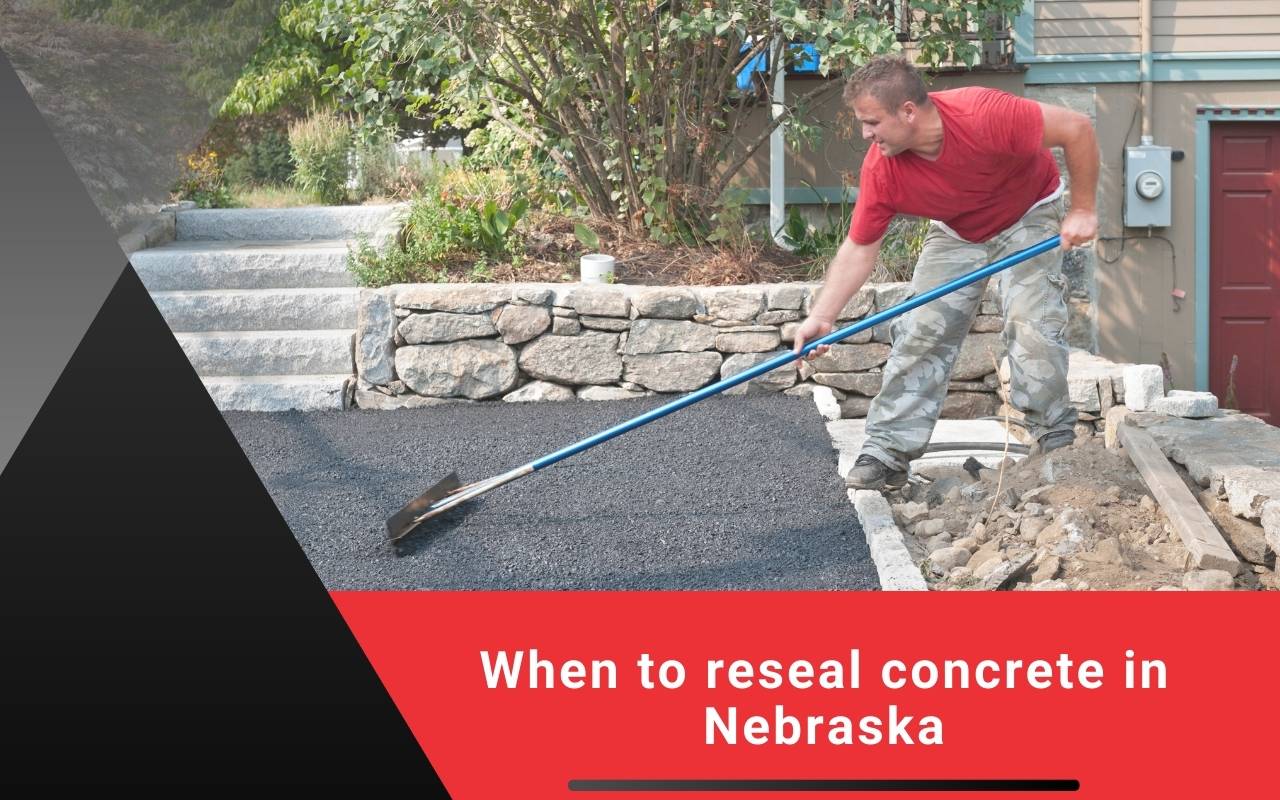
When to reseal concrete in Nebraska
Understanding when to reseal concrete Nebraska surfaces helps you protect driveways and sidewalks in a climate with harsh swings. In Nebraska, concrete faces scorching summers, freezing winters, and sudden storms that slowly break down unprotected slabs. Without a good plan, small cracks, stains, and rough patches can spread and lower your home’s curb appeal.
Timely resealing creates a thin shield that keeps water, road salt, and oil from soaking into the concrete. However, the real secret is knowing the signs that tell you the old sealer is fading. By watching your surfaces and testing them, you can choose the right moment and avoid costly repairs later.
Importance of Maintaining Concrete Surfaces in Nebraska
Preserving your concrete driveway and walkways is essential in Nebraska’s ever-changing environment. Driveway maintenance means more than rinsing off dust. It also includes checking for cracks, rough spots, and areas where the sealer has worn away. When you stay alert, you can fix small issues before they become big, expensive problems.
Knowing when to reseal concrete Nebraska driveways and walkways is a key part of smart upkeep. Sidewalk care is just as important for safety and easy access. Uneven or crumbling spots can create trip hazards and allow water to pool. Regular cleaning, stain removal, and resealing keep your outdoor areas safe and attractive.
Inspect driveways and sidewalks at least twice a year.
Clean oil and rust stains quickly to prevent long-term marks.
Consider professional Concrete Sealing in Nebraska | Long-Lasting Surface Protection when surfaces look dull or rough.
Effects of Weather on Concrete in Nebraska
Nebraska’s climate swings from hot, dry summers to freezing winters, and these changes slowly wear down concrete. In summer, the sun’s heat makes slabs expand. When they cannot move much, fine cracks may appear. Strong winds, dust, and heavy rain then erode the surface and wash away weak sealers.
Because the seasons shift quickly, when to reseal concrete in Nebraska, homeowners must watch the forecast closely. In the fall, rain seeps into tiny gaps. Then winter freezes that trapped water, which expands and widens cracks. As snow and ice melt, deicing salt can soak in and damage unsealed or poorly sealed areas.
Summer heat expands concrete and can dry out sealers.
Fall rain pushes water into hairline cracks.
Winter freeze-thaw cycles cause spalling and surface flakes.
Spring thaw reveals pits, chips, and loose top layers.
Year-round wind and grit slowly polish away protection.
To understand how weather timing affects sealing, you can review Seasonal Climate Impact on Sealing Effectiveness in Nebraska and plan maintenance around local conditions.
Common Concrete Issues in Nebraska
Cracks and small fractures are among the most frequent concrete problems. They often begin as thin hairlines but can grow wider when ignored. Freeze-thaw cycles and shifting soil make concrete flex, which eventually creates splits. Even tiny openings let in water, dirt, and salt, which slowly increase the damage.
Spalling happens when bits of concrete flake off the surface, leaving rough, pitted areas. This usually follows repeated water intrusion and freezing. Discoloration and fading are also common. Sunlight, chemicals, and stains from oil or leaves can make concrete look tired and neglected without a good sealer in place.
Hairline cracks that deepen or widen over time.
Spalling areas where small chips or flakes break away.
Uneven colors, fading, or dark stain patches.
Settled sections that create trip edges or puddles.
Rough textures where the top layer has worn off.
Settlement problems appear when the ground beneath shifts, causing parts of the driveway or sidewalk to sink. Low spots collect water and ice, which increases the risk of slips. Regular sweeping, quick stain cleanup, and sealing at the right time help keep these issues under control.
Signs That Indicate the Need for Resealing
Use these simple checks to decide when to reseal concrete Nebraska paths and parking spots without guessing. When you understand the warning signs, you can act early and avoid large repairs.
Checking resealing frequency with a visual review
Start by looking at color and texture. If your driveway or sidewalk looks dull, chalky, or patchy, the sealer may be wearing off. Dark wet spots that linger after rain can reveal thirsty areas where concrete is soaking up water again. These early clues help you adjust your resealing frequency.
Using a simple porosity test
A quick porosity test is easy to do. Lightly sprinkle clean water on several spots. If the water beads up and stays on the surface for a few minutes, your sealer is still working. If the water quickly disappears into the concrete instead, the surface is porous again and needs resealing.
Watching water beading during storms
During a light rain, safely step outside and observe how water sits on your driveway and sidewalks. Healthy sealed concrete shows clear water beading in many small droplets. If you see large wet patches with no beads and a darker color, the sealer is likely thin or gone in those areas.
Driveway maintenance clues
Driveway maintenance becomes harder when the sealer fails. Oil and tire marks soak in and leave stubborn stains. Mud and dust cling to the surface instead of rinsing away. If you need stronger cleaners or more scrubbing than before, it is another sign that resealing time is near.
Sidewalk care warning signs
Sidewalk care issues often show up as rough textures, small chips along the edges, or tiny surface holes. When you feel more grit underfoot or notice ice bonding tightly to the surface, water is likely penetrating the slab. Resealing helps restore a smoother finish and easier winter cleanup.
Understanding Ideal Resealing Frequency
Most people who ask when to reseal concrete Nebraska slabs want a clear number, not a vague idea. In many Nebraska neighborhoods, resealing every two to three years works well for average traffic. However, heavy-use areas may need attention sooner, while shaded, low-traffic paths can wait slightly longer.
Busy driveways that see multiple cars, lawn equipment, and winter salt often benefit from resealing about every 18 months. Meanwhile, low-traffic sidewalks and back patios may stay protected for up to three years. It is helpful to review both your resealing frequency and your local weather each spring and fall.
Check surfaces each spring after the last frost.
Inspect again in the fall before freezing nights return.
Move resealing up if you see poor water beading.
Delay slightly if beading is strong and the color is even.
For deeper timing and planning tips, you can read Seasonal Climate Impact on Sealing Effectiveness in Nebraska and match your schedule with ideal weather windows.
Enhancing Concrete Durability Through Resealing
Resealing concrete does more than refresh its look. It adds an extra layer of defense against water, oil, salt, and sun. Sealers fill tiny surface pores and micro-cracks, making it harder for moisture and grime to slip inside. As a result, driveway maintenance and sidewalk care both become quicker and easier.
Choosing the right sealer also matters. Water-based products are easier to apply and have low odor. Solvent-based sealers often give stronger protection in high-traffic spots. Clear sealers keep the natural color, while tinted versions can hide light stains. Whatever you pick, follow the maker’s directions for application and drying time.
Clean the concrete thoroughly before applying any sealer.
Let the surface dry fully so moisture does not get trapped.
Apply thin, even coats instead of one heavy layer.
Allow enough curing time between coats and before use.
For extra guidance on curing and long-lasting results, you can explore Understand Curing Time Sealing to Maximize Your Project's Longevity and see how proper curing supports strong sealing.
Humidity also plays a role in how sealers behave and dry. To learn how moisture levels affect adhesion and lifespan, review Discover How Humidity Affects Sealing Delivers Long-term Benefits and adjust your plans around local conditions.
Frequently Asked Questions
How often should I reseal my concrete in Nebraska?
Most homes benefit from resealing every two to three years. However, busy driveways and exposed areas may need fresh sealer sooner. If water stops beading and stains set in faster, it is wise to move your resealing date up.
What is the easiest way to test if my concrete needs resealing?
The easiest method is a porosity test with clean water. Sprinkle a small amount on the surface. If it soaks in within a few minutes instead of forming beads, the concrete is ready for a new coat of sealer.
Does Nebraska’s winter weather change my resealing schedule?
Yes, Nebraska’s freeze-thaw cycles and road salt can shorten a sealer’s life. After a harsh winter, inspect your driveway and sidewalks closely. If you see more cracks, rough spots, or poor water beading, plan to reseal sooner than usual.
Should I reseal my driveway and sidewalks at the same time?
Usually, it is helpful to reseal both together. Driveway maintenance and sidewalk care follow similar patterns in this climate. Doing them at once saves time, keeps the look consistent, and makes it easier to remember your next resealing date.
When should I call a professional instead of resealing myself?
If you see wide cracks, deep spalling, or large settled areas, calling a local expert is safer. A professional can repair damage, choose the right product, and apply it correctly. When you need skilled help, you can contact WMG Caulking for an on-site review.
Protecting Your Concrete Investment
Maintaining concrete surfaces in Nebraska means paying attention to when to reseal concrete in Nebraska and following a steady plan. By watching for fading color, weaker water beading, and rough textures, you can act before small flaws grow. A quick porosity test confirms whether your sealer still works or needs replacement.
Regular resealing keeps driveways and sidewalks looking fresh, reduces long-term repair costs, and extends the life of your concrete. By understanding when to reseal concrete Nebraska properties and using simple checks each season, you protect your investment and enjoy safe, attractive surfaces year after year.


Cracks, gaps, and surface wear weaken concrete, causing costly damage. You need a solution that lasts. That’s where we come in. Our expert team specializes in sealing and caulking, ensuring durable surfaces that withstand time and weather.
Contact
Omaha, NE 68157
Monday through Friday from 7:00 a.m. to 6:00 p.m.
Saturday: 8 am a 4 pm
Payment Methods: Checks and Cards