

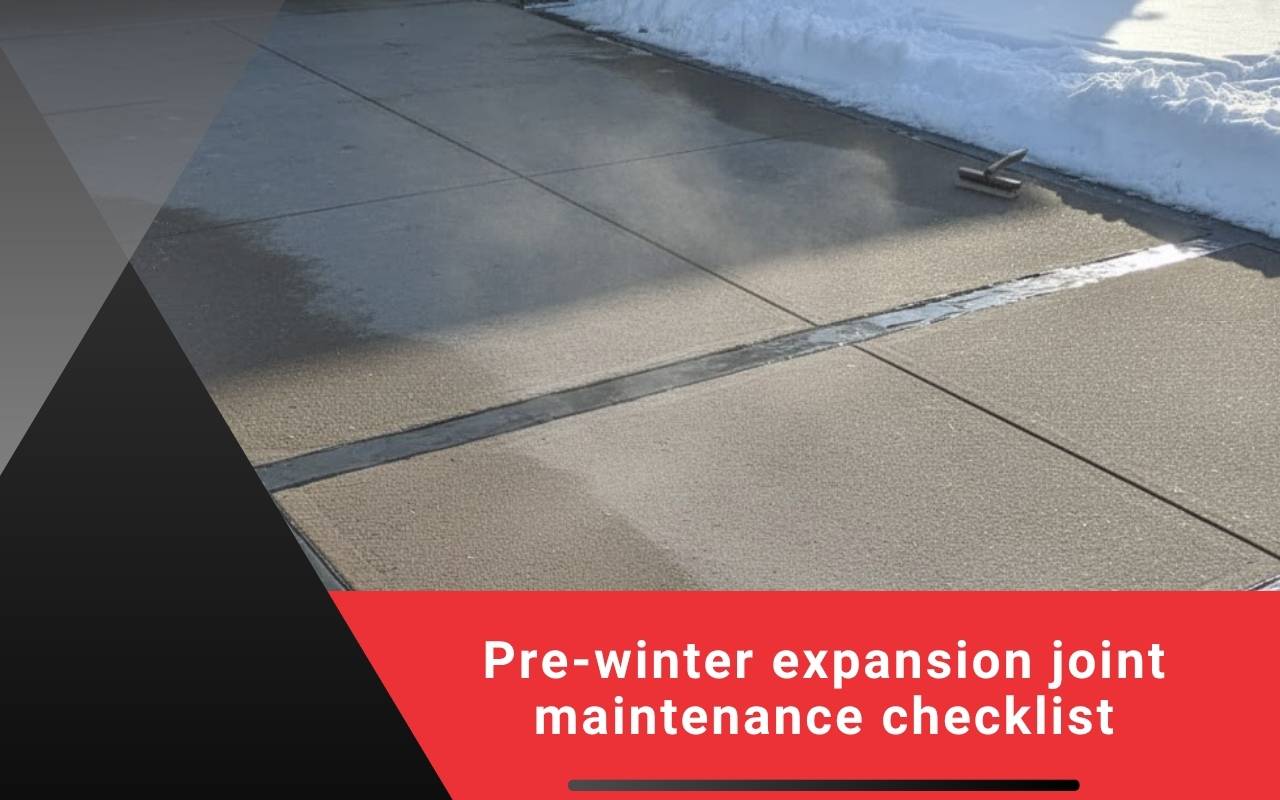
Pre-winter expansion joint maintenance checklist
As winter nears, buildings face cold, moisture, and ice. Concrete Expansion Joints Maintenance helps your slabs move without damage. Ignoring joints invites water intrusion, freezing, and costly repairs. Use this winter checklist to review, clean, and protect every joint. Add simple steps now to avoid big fixes later. When needed, reach out via our contact page.
Strong joints improve safety and extend service life. They stop cracks and keep surfaces even. This guide explains quick inspections, joint sealing tips, and using a backer rod. Follow it to prepare for storms, salt, and freezing nights. You will work faster and save money with a clear plan.
Importance of Pre-Winter Maintenance
Begin with a clear plan for Concrete Expansion Joints Maintenance. Cold weather makes slabs shrink and expand. Stress builds at weak joints. If gaps stay open, water enters, freezes, and widens cracks. Address issues early to prevent spalling and trips. A short fall visit can prevent a long spring repair list.
Include each joint in your winter checklist. Look for missing sealant, gaps, or loose debris. Clean often to protect the slab. Regular checks keep joints working and surfaces safe. Add reminders for mid-winter and early spring reviews. Consistent care reduces surprise costs.
Understanding Concrete Expansion Joints
Expansion joints let concrete move without random cracking. Flexible fillers absorb motion and reduce rubbing between slabs. Over time, these materials age and lose strength. Replace them before failure spreads. Proper sealing keeps moisture out and supports even movement through freeze-thaw cycles.
Want regional insight? See Expansion Joints Nebraska for climate notes and local best practices. Matching materials to weather improves results and lowers maintenance costs.
Inspection and Cleaning Procedures
Use a flashlight to spot early wear or missing sealant. Note areas that need deeper work. Clear dirt and stones to protect adhesion. Clean joints so new material sticks well and water drains away.
Mark joints with gaps or failing edges.
Brush out debris with a wire brush.
Vacuum dust for better bonding.
Wipe with a suitable cleaner before sealing.
Sealing Techniques for Expansion Joints
Choose a quality elastomeric product for Concrete Expansion Joints Maintenance. Follow the label for prep and cure time. Apply steady beads with a caulking gun. Tool the surface smooth to remove air pockets. Good joint sealing blocks water and handles movement in changing temperatures.
For a full walkthrough, read Maintenance Expansion Joints. It explains mixing, application, and simple checks. A careful seal creates a neat finish and longer service life.
Utilizing Backer Rods for Enhanced Protection
Select a backer rod that fits the joint width. Press it to about half the gap depth. This saves sealant and sets the right shape. It also prevents three-sided sticking, which weakens the bond. Combined with sealant, the system improves crack prevention and keeps moisture away.
Materials and Tools Required
Prepare your kit before you start. Having everything nearby speeds the job and improves safety. Check dates on products and wear gloves and glasses.
Elastomeric sealant and matching cleaner
Backer rod in correct sizes
Caulking gun and putty knife
Wire brush, scraper, and vacuum
Step-by-Step Maintenance Guide
Work in small sections for control. Record dates and areas completed. Let products cure fully before snow or rain hits the surface.
Remove old sealant and loose debris.
Clean the joint and let it dry.
Insert backer rod to proper depth.
Apply sealant evenly and tool smooth.
Allow full cure per product instructions.
Best Practices for Long-Term Joint Care
Log each visit, note repeat trouble spots, and adjust methods. Plan seasonal checks in spring and fall. Use materials that match your climate and joint size. This steady approach to Concrete Expansion Joints Maintenance reduces surprises and extends surface life.
Keep salt use measured near joints. Rinse areas after storms if possible. Early fixes cost less than major repairs. Small habits protect big assets.
Common Winter Issues to Watch Out For
Watch for peeling, shrinking, or cracked sealant. These signs allow water to enter and freeze. Treat them fast to avoid bigger problems. If you see spalling, re-seal and review your routine. For warning signs, visit Signs of Failing Expansion Joints.
De-icing salt can speed up wear. Inspect these paths more often. Replace weak spots quickly. Quick actions support Concrete Expansion Joints Maintenance and keep walkways safe.
Frequently Asked Questions
How often should I inspect joints before winter?
Inspect in early fall, then recheck after the first freeze. Add a mid-winter review during a warm spell.
What causes water intrusion in joints?
Gaps, aged sealant, and debris let water pass. Proper cleaning and sealing stop leaks before freezing weather.
When should I use a backer rod?
Use it when the joint is deeper than it is wide. It sets the correct sealant shape and improves movement.
Can joint sealing prevent cracks?
Yes. A sound seal keeps moisture out and reduces stress, which supports crack prevention across slabs.
Where can I get help or a quote?
Contact our team through the contact page for advice or service scheduling.
Ensuring Winter-Ready Structures
Follow this plan to protect surfaces all season. Inspect, clean, use backer rod, and seal with care. Document every step and schedule checks. With smart routines and Concrete Expansion Joints Maintenance, you reduce repairs and keep people safe. Use this guide as your simple winter checklist for reliable, lasting results.