

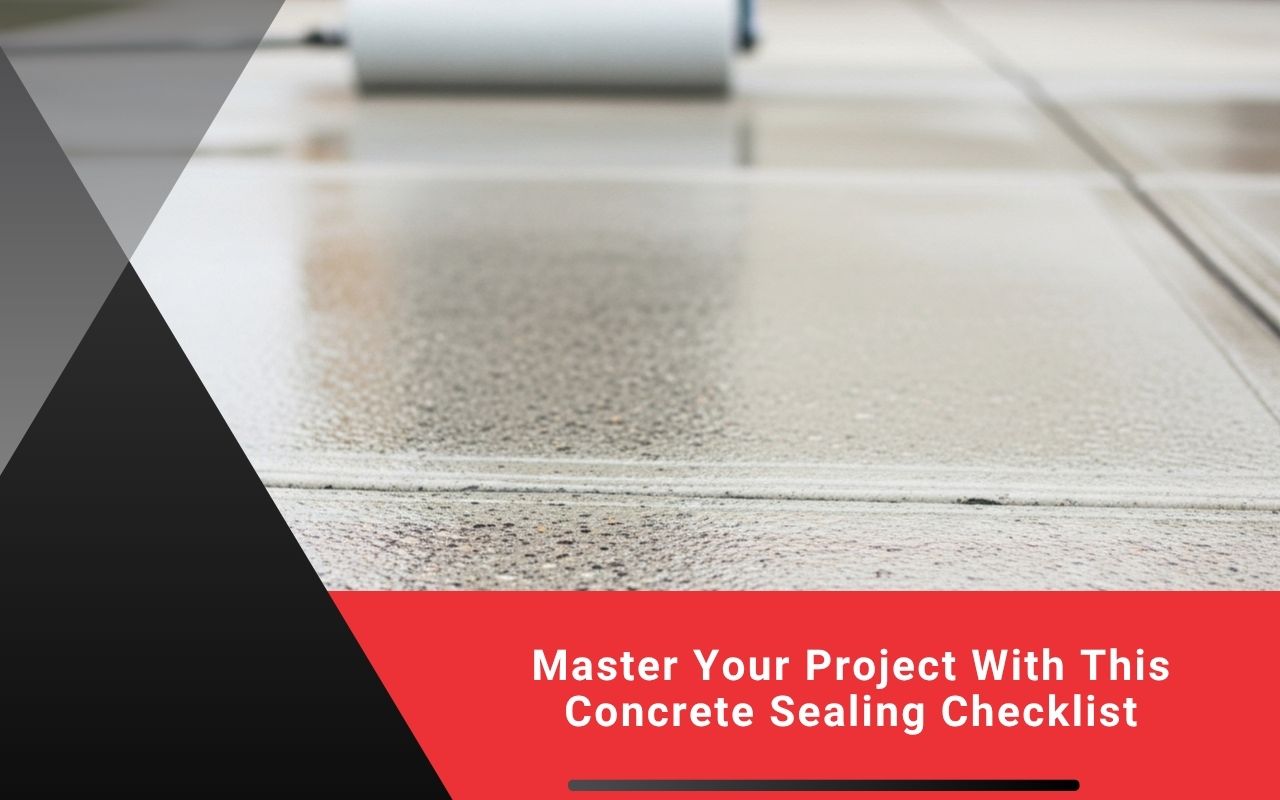
Master Your Project With This Concrete Sealing Checklist
Imagine a clean driveway or patio with a fresh seal that stands strong through rain, sun, and cold weather. With the right concrete sealing checklist, your project feels clear, simple, and easier to manage from the first step.
Whether you are planning spring concrete maintenance or checking old sealer wear signs, early action can protect your concrete and improve curb appeal. At WMG Caulking, we guide property owners with clear steps that support safer, longer-lasting surfaces.
Concrete Sealing Matters For Long Lasting Surfaces
Concrete sealing helps protect surfaces from water, stains, salt, oil, and daily wear. When water enters open pores, it can freeze, expand, and cause cracks during colder months.
As a result, a sealed surface is easier to clean and better prepared for changing weather. A planned concrete sealing checklist also helps reduce repair needs before small issues become expensive problems.
Essential Tools That Make Every Sealing Project Simpler
Before starting, gather the right tools and products in one place. This keeps the job organized and helps each step move smoothly without delays.
Pressure washer or stiff-bristle brush for dirt removal
Concrete cleaner, clean water, and dry rags
Roller, brush, mop, or sprayer for even coverage
Gloves, goggles, knee pads, and protective covers
Crack filler, patch mix, and a small trowel
For larger projects, our team at WMG Caulking can help you review the surface and choose the right next step. You can also review our Nebraska concrete sealing services for more project support.
Clean Surface Preparation Before Your New Sealer Application
Concrete cleaning before sealing is one of the most important steps. First, remove leaves, dust, loose dirt, and stains so the sealer can bond well.
Then, wash the surface with a mild cleaner or concrete-safe product. Let it dry fully for 24 to 48 hours, because trapped moisture can weaken the final seal.
Careful Inspection Helps You Catch Hidden Concrete Damage
A concrete surface inspection helps you find cracks, chips, soft spots, stains, and uneven areas. Look closely at corners, joints, edges, and shaded spaces where damage may be easier to miss.
Mark each repair area before applying sealer. This makes your concrete sealing checklist more useful and helps you avoid sealing over damage that still needs attention.
Repair Steps That Build A Stronger Sealing Base
Clean cracks and small holes with a wire brush or compressed air before adding repair material. Loose dust can stop the patch from holding well.
Fill narrow cracks with a concrete-safe crack filler
Patch small holes with the right repair mix
Smooth repaired areas with a trowel
Allow repairs to cure before sealing
For seasonal care ideas, visit our guide to concrete maintenance in Omaha. These simple habits can help your surface stay cleaner and stronger between sealing projects.
Choosing Sealer Types Based On Weather And Use
The right sealer depends on traffic, weather, and the look you want. Water-based sealers have low odor and easy cleanup, while solvent-based options often give stronger stain resistance.
Film-forming sealers can add shine, but they may need more care over time. Watch for sealer wear signs, such as fading, dull spots, or water that no longer beads on the surface.
Frequently Asked Questions
How often should concrete be sealed?
Most concrete surfaces need sealing every two to three years. However, heavy traffic, strong sun, salt, and harsh weather may make resealing needed sooner.
Can I seal concrete after washing it?
Yes, but the surface must dry fully first. In many cases, waiting 24 to 48 hours helps prevent moisture from being trapped under the sealer.
What are common sealer wear signs?
Common signs include fading, stains, dull areas, peeling, and water soaking in instead of forming beads. These signs mean the surface may need attention soon.
Is spring concrete maintenance a good idea?
Yes, spring is a smart time to inspect, clean, and repair concrete after winter stress. It also helps prepare surfaces before warmer weather and heavier use.
Should damaged concrete be sealed right away?
No, damaged areas should be cleaned and repaired first. Sealing over cracks or holes can trap moisture and lead to more surface problems later.
Simple Maintenance Habits Keep Sealed Concrete Protected
After sealing, keep people and vehicles off the surface until it cures. A dry day with mild weather is best, and barriers can help protect the area while it hardens.
Sweep or rinse the surface often
Clean spills before stains settle in
Avoid harsh chemicals when washing
Check for wear during spring concrete maintenance
Plan resealing when water stops beading
With WMG Caulking, you can get clear guidance before sealing, repairing, or planning long-term care. For timing support, read our guide on the best season for concrete sealing.
Professional Guidance Makes Concrete Protection Much Easier
A complete concrete sealing checklist helps you move from cleaning to inspection, repair, sealing, and final curing with more confidence. Each step protects the surface and supports a cleaner, longer-lasting finish.
When you need help reviewing your project, our team at WMG Caulking can explain your options in simple terms. To discuss your surface, use our contact page for project guidance.