

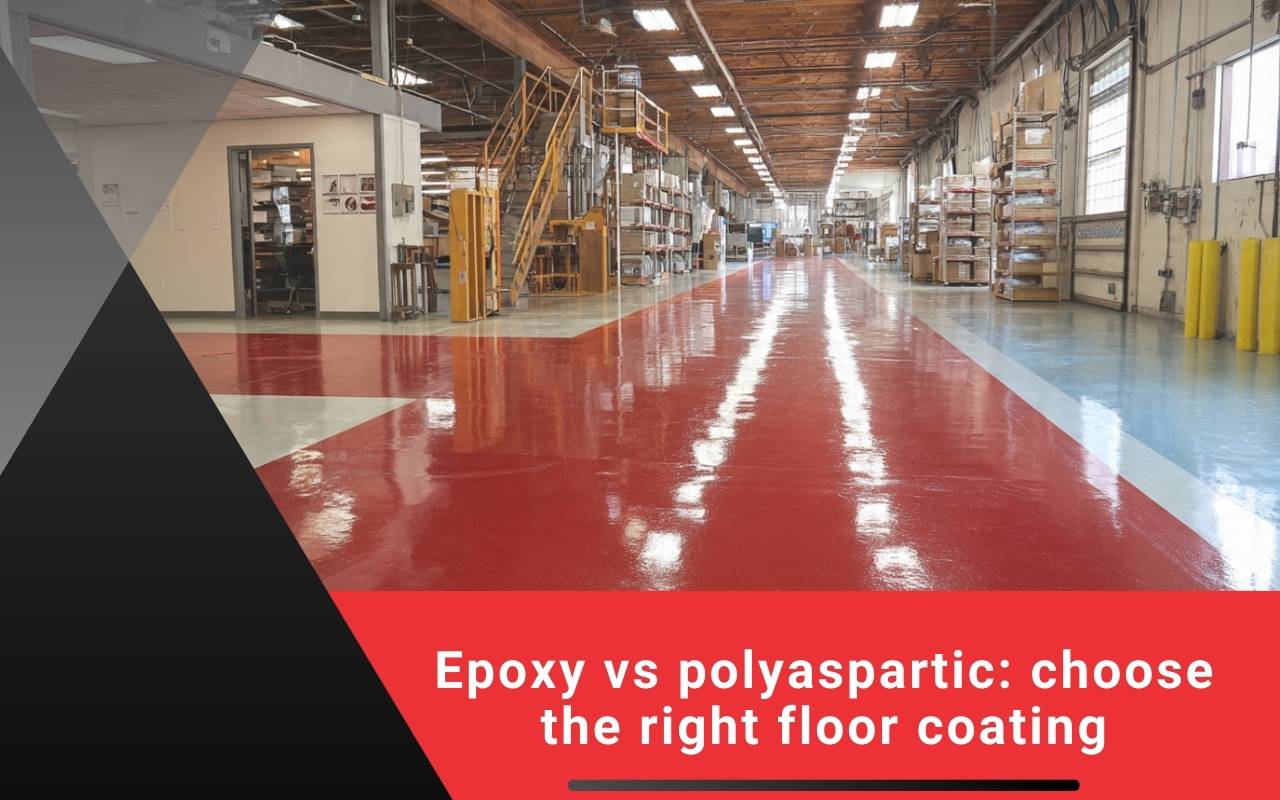
Epoxy vs polyaspartic: choose the right floor coating
Explore the world of floor coatings, where your choice shapes how long and how well your surfaces perform. When you compare epoxy vs polyaspartic, the best epoxy polyaspartic floor coating Omaha choice affects daily use. You see it in busy warehouse floors and in garage floors that face constant cars and tools.
Here, the debate is not only about looks. It is a smart choice that balances strength, time, and comfort. You must think about fast return to service, resistance to heavy machines, and how coatings handle harsh weather. Lower VOC levels and the option to request a free quote also matter.
Durability comparison: epoxy vs polyaspartic
Looking at durability, both coating types bring clear benefits. Epoxy floor coatings are known for hard, scratch-resistant surfaces. On warehouse floors, epoxy handles heavy foot traffic, pallets, and forklifts without chipping fast. However, repeated hard impacts can create cracks or worn spots that need patching or a fresh layer.
Polyaspartic adds more flexibility and strong impact resistance. It moves slightly with sudden loads or small shifts in the slab. This makes it ideal for garage floors with constant tire movement and regular oil or chemical spills. In addition, its UV stability stops sunlit areas from turning yellow, which helps many Omaha buildings.
When you plan an epoxy polyaspartic floor coating Omaha warehouse, you often see polyaspartic outlast basic epoxy in high-stress zones.
Epoxy offers strong hardness for heavy use.
Polyaspartic brings better impact resistance and flexibility.
Both work well on concrete when the surface is prepared correctly.
Application process: Which one is easier to apply to?
During installation, working time and temperature control guide the choice. Epoxy mixes usually give a longer open time. Installers can spread the product over large warehouse floors or garage floors without feeling rushed. However, they must watch temperature and humidity closely to avoid uneven gloss, bubbles, or cloudy spots.
Polyaspartic coatings cure much faster, so crews must move with skill and speed once materials are mixed. For any epoxy polyaspartic floor coating Omaha garage project, this fast process is helpful. Professionals can often apply several layers in one day. As a result, you enjoy shorter projects and less mess on-site.
When you request a free quote, ask each contractor about their experience with polyaspartic systems. Additionally, request details about how they grind, repair, and clean the concrete. This way, you know they can create a smooth, even finish without roller marks, streaks, or trapped dust.
Environmental impact: VOC levels and sustainability
Today, many owners look at environmental impact as closely as appearance. VOC, or Volatile Organic Compounds, are chemicals released while coatings cure. Standard epoxy systems can give off higher VOC levels. In closed garages or tight warehouse offices, these fumes may cause strong odors and discomfort for some people.
Polyaspartic formulas often use low-VOC mixes that support greener building goals. In Omaha’s push for healthier spaces, managers choose these systems to cut fumes without losing strength. Moreover, fast cure times shorten the period with strong smells. This improves comfort for staff, guests, and installers working near the project.
Epoxy can release more VOC during curing.
Many polyaspartic systems are low-VOC or very low odor.
Better air quality supports health in busy indoor spaces.
Cost analysis: upfront and long-term expenses
Cost matters for every project, yet looking only at material price can mislead you. Epoxy coatings often start at a lower price per square foot. This suits tight budgets for large warehouse floors. However, extra labor for several coats and long cure windows can raise the total bill over time.
Polyaspartic materials may cost more, but they can reduce labor hours and downtime. Upfront costs for an epoxy polyaspartic floor coating in Omaha can look higher than simple paint or sealer work. Even so, the ability to finish in one day often saves money. Operations resume faster, which protects revenue.
Epoxy usually offers lower initial material pricing.
Polyaspartic can cut labor time and building downtime.
Long-term value improves when floors last longer between recoats.
For deeper insight, review the cost-effectiveness of epoxy coatings to compare long-term performance and spending.
Maintenance requirements: cleaning and repairs
After installation, regular care keeps any coated floor looking sharp. Epoxy surfaces clean easily with mild soap and water. Dust, dirt, and many spills wipe away without harsh tools. However, if a hard impact chips the surface, repairs usually require sanding, cleaning, and applying new epoxy to blend the patch.
Polyaspartic coatings resist stains and abrasion very well. Oil, grease, and chemical spills often bead on the surface, so cleanup is fast. In addition, new polyaspartic bonds strongly to the old layer when repairs are needed. Overall, this means less hands-on maintenance and fewer major fixes during the floor’s life.
Epoxy needs more detailed repair work after deep chips.
Polyaspartic often needs only quick cleaning and small touch-ups.
Consistent sweeping and mopping extend the life of both systems.
You can follow helpful maintenance tips for epoxy floors to keep any coated surface in top condition.
Curing time: fast return to service
When your space cannot stay closed for long, curing time becomes critical. Epoxy often needs 24 to 72 hours before light foot traffic. Heavy equipment may need to wait up to a full week. Therefore, projects with flexible schedules manage fine, but busy loading docks or public garages can struggle.
Polyaspartic is famous for its fast return to service. Floors may handle walking within a few hours and full use in about a day. If your epoxy polyaspartic floor coating Omaha project sits inside a busy warehouse, that speed protects your schedule. Staff, forklifts, and customers get back to normal faster.
Epoxy: longer cure time, more downtime.
Polyaspartic: quick cure, often within one day.
Shorter downtime can lower business disruption costs.
Aesthetics: visual differences and customization options
Looks still matter, even in tough industrial settings. Epoxy coatings provide a glossy finish that brightens rooms and highlights color flakes or metallic effects. They can also hide small concrete flaws and create a smooth, seamless surface. As a result, many showrooms and retail spaces rely on epoxy to boost visibility.
Polyaspartic systems also support creative designs. You can choose color chips, quartz blends, or subtle tints for a softer satin style. Because polyaspartic keeps its clarity under sunlight, designs stay true over time. For design ideas, explore customization options for epoxy flooring that match your brand or décor.
Suitability for different surfaces: concrete, wood, or metal
Both epoxy and polyaspartic bond very well to properly prepared concrete. Grinding and cleaning remove weak layers and open the pores. With the right primer, epoxy can also cover wood in light-duty workshops. However, if the wood moves or swells, rigid epoxy may crack or peel in stressed spots.
Polyaspartic shines on metal and mixed-use spaces. Its flexibility and quick cure help block moisture and prevent rust. On concrete, it forms a strong, dense layer that resists chips and wear. Therefore, spaces that mix concrete floors with steel fixtures or ramps benefit from the consistent protection polyaspartic provides.
Endurance testimonials: real-life performance stories
Real projects in Omaha show how these coatings behave over time. Becky, a warehouse manager, switched from epoxy to polyaspartic after years of touch-ups. She now sees fewer chips around loading docks and easier cleanup after spills. She feels forklift lanes still look fresh even after heavy daily traffic.
Meanwhile, Mark, a home hobbyist, tried epoxy in his garage. He loved the shine and simple mixing process. After months of car traffic and paint drips, he saw small cracks near the door. A local installer later suggested polyaspartic for better flexibility in cold winters and offered a clear, free quote.
Business owners can also review the benefits of epoxy floor coatings that Omaha businesses experience before planning upgrades.
Frequently Asked Questions
Is epoxy or polyaspartic better for warehouse floors?
Both systems can work for warehouse floors. Epoxy handles heavy traffic at a lower starting cost. However, polyaspartic usually manages impact and tire turning better. To learn about regional choices, explore floor coating Nebraska services, and compare coating systems with a specialist.
Which coating works best for garage floors in Omaha?
Many homeowners enjoy epoxy for its high-gloss look and easy cleaning. Yet, polyaspartic often suits garage floors that see constant car movement and sunlight. Its flexibility and UV stability help reduce cracking and yellowing. Therefore, it is a strong option for garages that face hot summers and cold winters.
How long does installation and curing usually take?
Epoxy projects may require several days of work and curing before full service. Crews apply multiple coats, then wait for each to harden. Polyaspartic often allows same-day work and quick reopening. As a result, many businesses choose polyaspartic when they need coated areas back in use as soon as possible.
Are polyaspartic coatings really low in VOC?
Many polyaspartic products use low-VOC formulas compared with older coating systems. This can reduce strong odors and help meet indoor air goals. However, you should always ask your installer which product line they use. Reviewing product data sheets helps confirm VOC levels and make sure they match your project standards.
How can I estimate the cost of my floor project?
Project cost depends on floor size, repairs, coating type, and schedule limits. You can study the cost-effectiveness of epoxy coatings to understand long-term value. Then request a detailed free quote that lists materials, labor, and any extra surface preparation.
Making the right choice for your floor
Choosing between epoxy and polyaspartic depends on traffic levels, budget, style, and how fast you need the area back. Epoxy offers a proven, glossy option at a friendly price. Polyaspartic adds fast curing, strong UV stability, and low VOC choices. Together, these features support modern warehouses, shops, and home garages across Omaha.
When you choose an epoxy polyaspartic floor coating, Omaha property owners gain long-lasting protection and neat, bright surfaces. Review the articles on benefits, maintenance, and design to plan your project with confidence. Then contact WMG Caulking for a free quote and discuss the best coating for your space.