

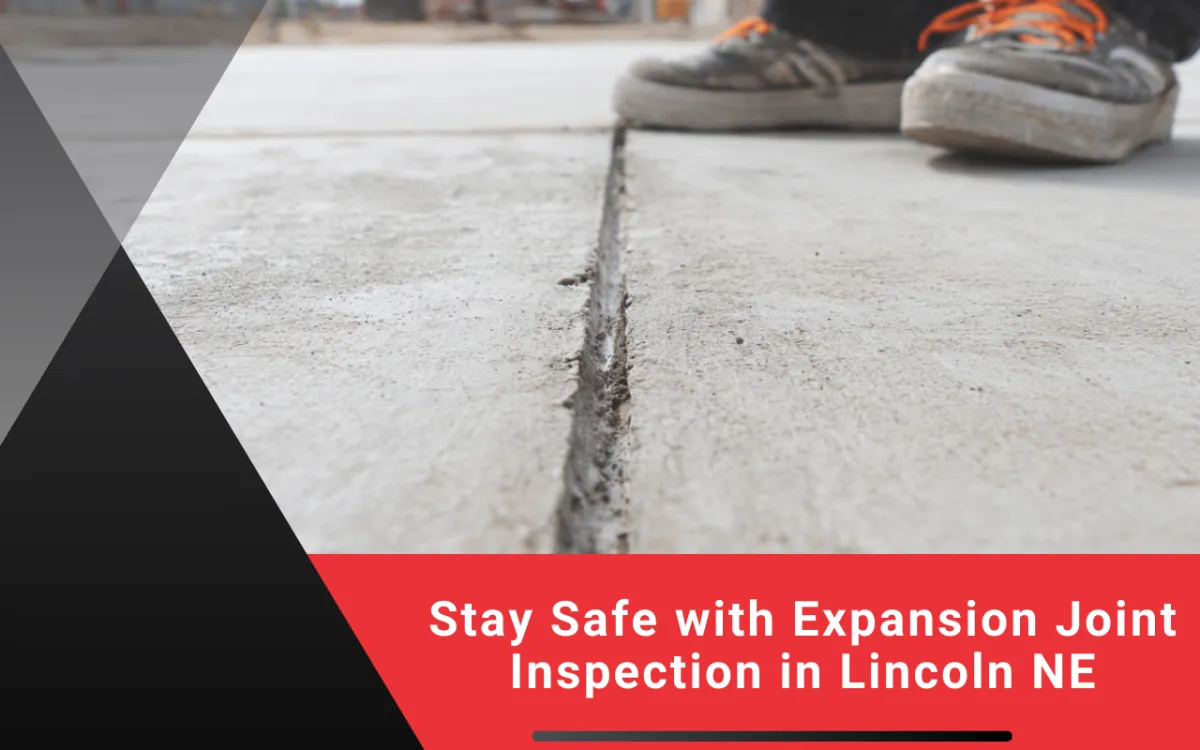
Stay Safe with Expansion Joint Inspection in Lincoln NE
Consider the importance of hidden safeguards in our buildings that often go unnoticed until a problem arises. Expansion joints, for example, quietly perform a key role by letting structures expand and shrink with temperature changes.
However, when these joints start to fail, it can lead to serious issues like water infiltration at concrete joints in Lincoln, which can affect stability and long-term performance. That is why Expansion joint inspection in Lincoln NE matters so much for safer, longer-lasting properties.
Why Expansion Joints Matter in Buildings
Buildings move as temperatures rise and drop, and expansion joints act like flexible buffers that take on this motion. Without them, rigid materials can crack under pressure, which may lead to safety risks and high repair costs.
Also, joints help control water around the building edge. When seals wear out, water infiltration at concrete joints in Lincoln becomes more likely, and then freeze-thaw cycles can speed up damage. For a deeper overview, explore types of concrete expansion joints and how each one supports movement.
Reduces cracking by absorbing stress
Helps protect load-bearing elements
Limits moisture entry when properly sealed
Supports longer building life with routine care
Signs of Failing Expansion Joints in Lincoln
Small cracks or gaps along joint lines are often the first warning. When sealants dry out or pull away, moisture can enter, and then damage can spread faster than expected.
Discoloration or rust-like staining near joints is another clue. Since water can carry minerals and cause streaks, these marks may point to hidden leaks. Spotting Signs of failing expansion joints Lincoln early helps you plan fixes before the problem grows.
Visible gaps, splits, or crumbling sealant
Stains near joint edges after rain or snowmelt
Musty odors or damp spots near slabs and walls
Debris buildup that blocks drainage
How Failed Joints Can Hurt Building Stability
When a joint fails, movement can shift into slabs and walls where it does not belong. As a result, pressure can build up, and you may see uncontrolled cracking, uneven floors, or door frames that no longer line up.
Even more, water infiltration at concrete joints in Lincoln can trigger corrosion in steel reinforcement. Since corrosion expands, it can create more cracks and weaken the concrete over time, especially in older structures.
What Happens During an Expansion Joint Inspection
A professional Expansion joint inspection in Lincoln NE checks sealant condition, joint width changes, cracks, and flexibility. In addition, the inspector looks for trapped debris and signs of moisture paths around joint lines.
WMG Caulking often recommends keeping clear notes, because records show how quickly joints change from season to season. That way, you can plan repairs at the right time instead of reacting to sudden failures.
Visual check for cracks, gaps, and bond loss
Moisture clues, staining, and drainage concerns
Movement and flexibility review across joint lines
Documentation to support future maintenance planning
Benefits of Regular Inspections
Regular inspections help catch small issues early, which lowers risk and supports safer buildings. Instead of emergency repairs, you can schedule work when it best fits your operations.
WMG Caulking also notes that early fixes typically cost less than major repairs tied to structural cracking or long-term leaks. Therefore, a consistent routine protects both your budget and your building.
Common Problems Found During Inspections
Sealants often show aging first. Sun exposure and weather cycles can dry them out, and then cracking or detachment may follow. Once that happens, moisture can enter and speed up wear.
Debris and plant growth are also common. Leaves, dirt, and weeds can lodge in joints, trap moisture, and block drainage, so clearing them is a simple but important step.
Build an Expansion Joint Maintenance Checklist Lincoln Owners Can Use
A practical routine keeps joints working longer. Start by checking joints at least twice a year, ideally in spring and fall, because these seasons reflect major temperature shifts.
WMG Caulking suggests writing each step down so nothing is missed. This approach keeps your expansion joint maintenance checklist Lincoln consistent across sites and teams.
Record inspection date and weather conditions
Note sealant condition and any new gaps
Remove debris and confirm drainage paths
Flag areas for repair and track follow-up dates
Maintenance Best Practices for Longer-Lasting Joints
Clean joints with mild soap and water using a soft brush. Avoid harsh chemicals because they can weaken sealant materials and shorten service life.
When resealing, use primers when required, and follow manufacturer steps for best bond strength. If you want a clearer view of the process, review how to install expansion joints to understand what correct prep and placement should look like.
Also, inspect backup materials like foam backer rods. If they are compressed or worn, replacing them can help the new sealant perform as intended.
Joint Sealant Replacement Timeline Lincoln Properties Should Follow
In normal conditions, many properties plan full resealing every five to seven years. This range fits typical sealant life spans while accounting for Lincoln’s temperature swings and precipitation.
However, high-stress areas like entry thresholds and corners can wear out sooner, often in three to five years. Keeping a clear joint sealant replacement timeline Lincoln teams can follow makes budgeting and scheduling easier.
WMG Caulking can help you evaluate which areas need earlier attention, especially where movement and foot traffic are constant.
Frequently Asked Questions
How often should I schedule Expansion joint inspection in Lincoln NE?
For most properties, twice a year works well. Also, schedule an extra check after major storms or if you notice new gaps.
What are the most common Signs of failing expansion joints Lincoln owners should watch for?
Look for cracked or shrinking sealant, visible gaps, and staining near joints. Since moisture can hide, musty smells can matter too.
How does water infiltration at concrete joints Lincoln affect concrete over time?
Water can freeze and expand inside small openings, which worsens cracking. Over time, it may also speed up corrosion in reinforcement.
What should be included in an expansion joint maintenance checklist Lincoln teams use?
Include inspection dates, sealant condition notes, debris removal, and repair tracking. That way, patterns become easier to spot.
What is a practical joint sealant replacement timeline Lincoln managers can plan around?
Many joints need resealing every five to seven years, but busy zones may need it sooner. A condition-based review helps refine timing.
Keep Your Property Strong with Proactive Maintenance
Commit to routine inspections and follow your checklist consistently. When small issues are handled early, joints last longer, and structural elements stay better protected.
WMG Caulking supports property owners who want reliable performance through every season. For more long-term care tips, read concrete expansion joints maintenance, and when you are ready to discuss your site, reach out through the WMG Caulking contact page.
Conclusion
Expansion joint inspection in Lincoln NE protects building stability and reduces the risk of water infiltration at concrete joints in Lincoln. By spotting Signs of failing expansion joints Lincoln early and using a clear checklist, you can reduce surprises and avoid avoidable repairs.
Follow a realistic joint sealant replacement timeline Lincoln teams can track, and keep up with cleaning and documentation. WMG Caulking can support your next inspection plan, so your property stays safer and stronger year-round.