

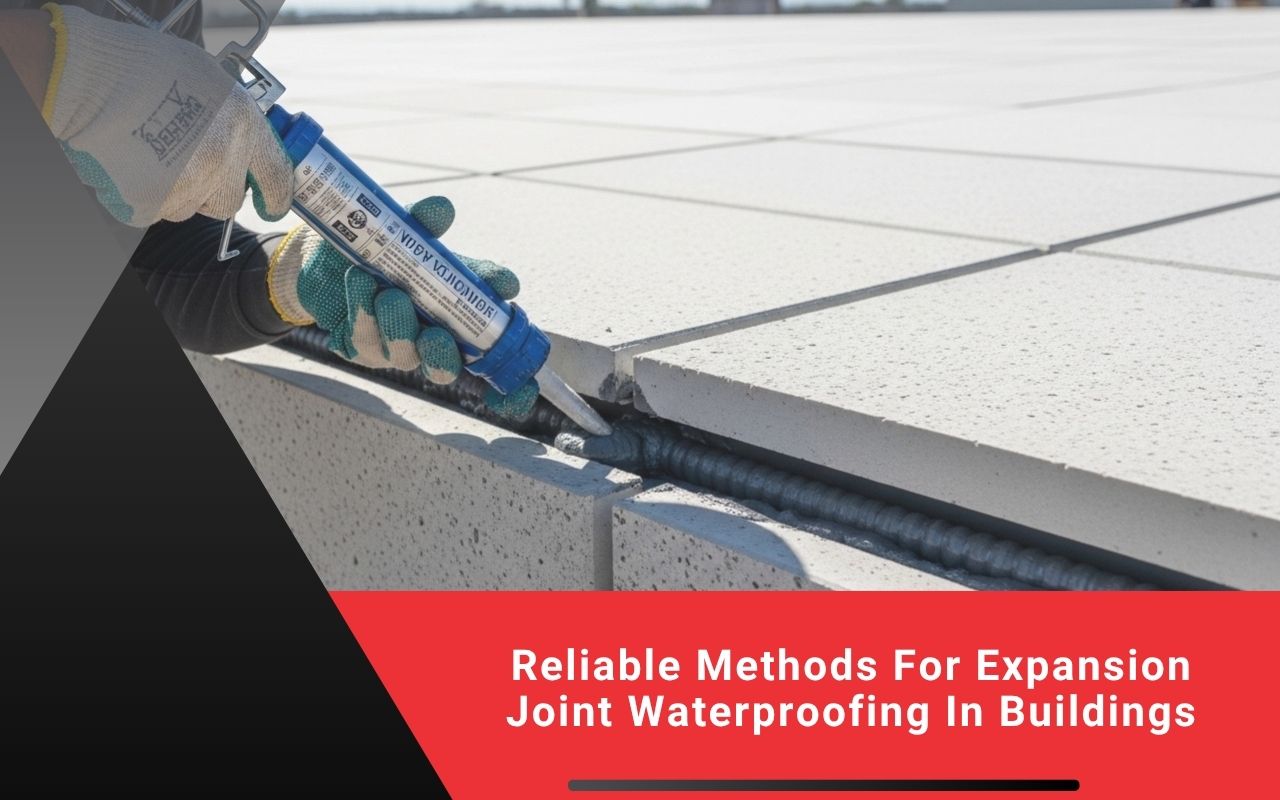
Reliable Methods For Expansion Joint Waterproofing In Buildings
Expansion joint waterproofing protects buildings from leaks, stains, rust, and hidden damage. These joints allow concrete, walls, decks, and other surfaces to move as temperatures and loads change.
However, poor care can lead to water intrusion in joints and joint sealant failure. At WMG Caulking, we focus on clear steps that help property teams protect structures before small leaks become costly repairs.
Waterproofed Joints Matter For Long-Term Building Protection
Water can enter open or damaged joints and spread into nearby materials. Over time, this can weaken concrete, stain surfaces, rust metal parts, and create damp areas inside the building.
At WMG Caulking, we treat expansion joint waterproofing as a key part of long-term building care. A sealed joint helps movement happen safely while keeping water away from areas that should stay dry.
Common Reasons Water Enters Moving Concrete Joints Slowly
Water often enters when sealant becomes hard, cracked, loose, or uneven. In many cases, the issue starts small, but weather and daily movement can make the opening larger.
Old sealant may shrink and pull away from the joint sides.
Poor installation can leave gaps that let water pass through.
Dirt, leaves, and debris can hold moisture against the joint.
Heavy movement can cause early joint sealant failure.
Practical Materials Used For Durable Joint Protection Today
The right materials make expansion joint waterproofing more reliable. Flexible sealants, backer rods, membranes, and preformed joint systems can all support waterproof expansion joints when matched to the site.
Each project has different needs. For example, wide joints may need more movement support, while sunny areas may need materials that resist heat and UV exposure.
Careful Preparation Steps Before Any Sealant Application Begins
Good results start with clean joints. Old material, dust, loose concrete, and trapped moisture should be removed before new sealant is added.
Clean the joint until the surface is dry and firm.
Check for cracks, broken edges, or uneven areas.
Measure the joint depth and width before choosing materials.
Use primer when the product instructions require it.
For larger projects, our expansion joint services can help match the repair method to the building’s movement and exposure.
Application Methods That Keep Joint Systems Properly Sealed
A clean method makes expansion joint waterproofing last longer. Backer rod is often placed first to control sealant depth and give the joint steady support.
Next, sealant should be applied in a smooth bead without gaps. After that, the surface is tooled so it bonds well to both sides and sheds water more easily.
Simple Maintenance Habits That Reduce Future Water Damage
Concrete joint maintenance works best when it happens before leaks spread. Regular checks help spot small cracks, loose edges, and early water marks.
Inspect joints after heavy rain, snow, or freeze-thaw cycles.
Remove dirt and debris that can trap moisture.
Repair small failed areas before water reaches deeper layers.
Keep photos and notes to track changes over time.
For more warning signs, review our guide on failing expansion joints and our tips for ongoing joint care.
Frequently Asked Questions
What causes water intrusion in joints?
Water intrusion in joints often comes from cracked sealant, poor bonding, open gaps, or debris that holds moisture against the surface.
How often should expansion joints be inspected?
Most buildings should be checked at least twice a year. Extra inspections are helpful after storms, freezing weather, or heavy building movement.
Can failed sealant be repaired without replacing everything?
Sometimes, yes. If the damage is limited, the failed area can be removed, cleaned, and resealed with the right material.
Why do waterproof expansion joints need flexible products?
Joints move as the structure expands and contracts. Flexible products help the seal stay bonded while the building shifts.
When should we contact a professional team?
You should contact a professional when leaks return, sealant pulls away, joints look uneven, or the repair area is large or hard to reach.
Plan Your Next Waterproofing Project With Clear Confidence
With WMG Caulking, expansion joint waterproofing starts with careful review, honest guidance, and materials suited to the structure. This helps reduce leaks, repair costs, and safety concerns.
When your building needs support, contact us for clear next steps. At WMG Caulking, we help you protect the structure before water damage grows.