

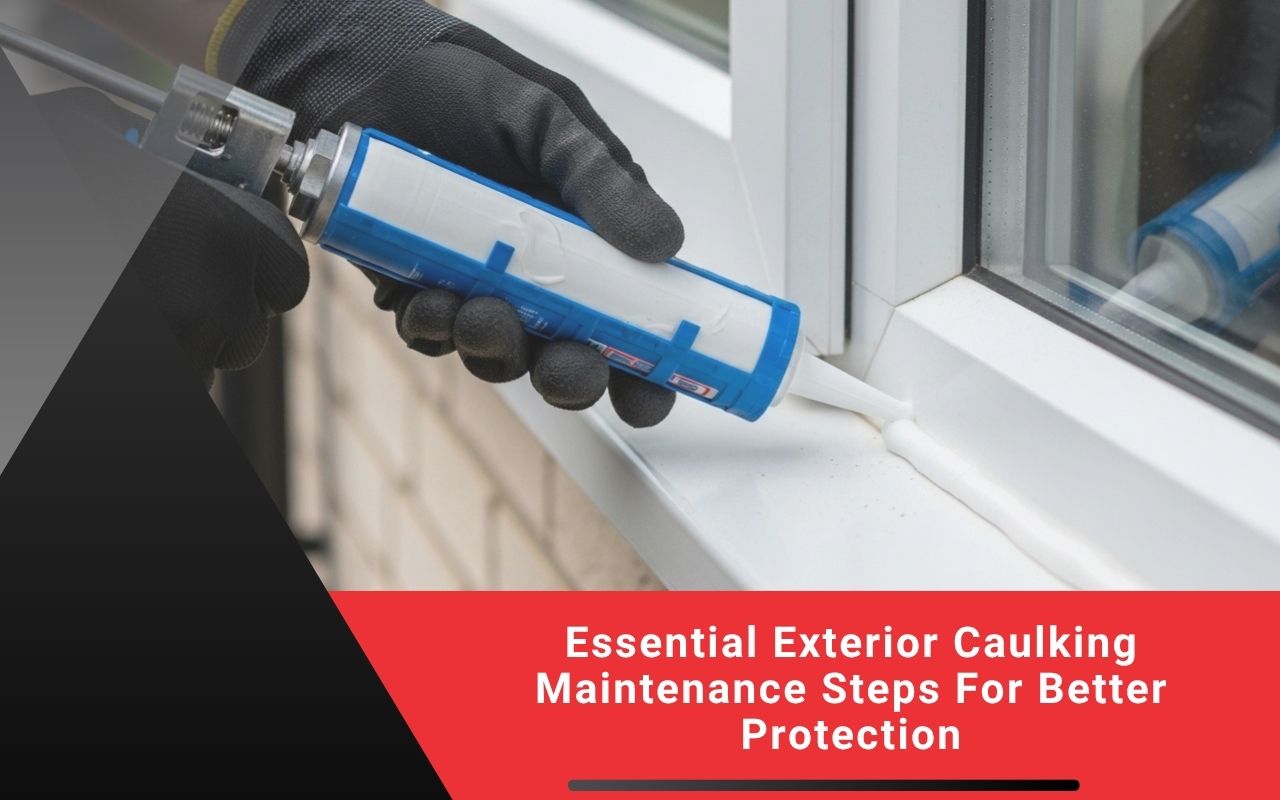
Essential Exterior Caulking Maintenance Steps For Better Protection
Exterior caulking maintenance protects walls, windows, doors, and joints from water, air leaks, and early wear. At WMG Caulking, we believe small gaps deserve attention before they become costly repairs.
Good care keeps your property cleaner, safer, and more energy efficient. However, caulk can crack, shrink, or pull away over time, so regular checks help preserve comfort and long-term building value.
Regular Sealant Care Protects Exterior Building Surfaces
Exterior caulking maintenance helps block rain, drafts, dust, and moisture from entering weak points around your property. When these areas stay sealed, your building envelope sealing works better through changing weather.
For businesses, commercial caulking maintenance is also important because large buildings face wind, sun, and movement every day. Therefore, early care helps reduce damage, protect finishes, and support a better-looking exterior.
Warning Signs That Your Exterior Caulk Needs Attention
A simple exterior sealant inspection can reveal cracks, gaps, peeling edges, or soft spots. These signs often mean the seal no longer protects the joint as it should.
Exterior caulking maintenance is also needed when you see mold stains, yellowing, or caulk pulling away from windows and doors. With WMG Caulking, our team encourages property owners to address these signs early.
Simple Tools That Make Caulking Work Easier
Before starting cracked caulk repair, it helps to gather clean, safe, and easy-to-use tools. The right items make the work smoother and help the new caulk bond well.
Use a steady caulk gun for smooth control.
Keep a utility knife or caulk remover nearby.
Clean joints with a brush and mild soap.
Use masking tape for cleaner edges.
Wear gloves and eye protection while scraping.
Inspection Steps For Safer Long Lasting Exterior Seals
Begin your exterior sealant inspection by walking around the building slowly. Check around windows, doors, siding, concrete joints, and trim where movement often creates small openings.
Look for cracks, loose caulk, or open seams.
Press gently to check for hard or brittle areas.
Note joints where different materials meet.
Group nearby repairs so work stays organized.
Exterior caulking maintenance becomes easier when you inspect these areas on a set schedule. Also, reviewing related surface issues can help, especially around concrete gaps and joints. See our guide about sealing gaps in concrete surfaces.
Choosing Materials That Match Weather And Surface Needs
The best sealant depends on the surface, sun exposure, and joint movement. Silicone often works well on glass or metal, while polyurethane can be a strong choice for masonry, concrete, and wood.
For colder conditions, product choice matters even more. Our article on caulk options for cold weather projects can help you compare materials before planning cracked caulk repair.
Application Habits That Help New Caulk Last
Good application begins with a clean, dry joint. Remove old caulk fully, clear dust and residue, and let the area dry before adding a fresh bead.
Cut the tube tip to match the joint width.
Apply steady pressure while moving in one direction.
Smooth the bead before the surface skins over.
Allow full curing time before moisture exposure.
When customers contact WMG Caulking, we explain that careful prep often matters as much as the sealant itself. For larger projects, our exterior sealing and caulking services can support safer results.
Frequently Asked Questions
How Often Should Exterior Caulking Be Checked?
Exterior caulking maintenance should be checked at least once a year. However, inspections after storms, heavy rain, or strong temperature changes can help catch problems sooner.
Can New Caulk Go Over Old Caulk?
New caulk should not cover old failing caulk. First, remove loose material, clean the joint, and allow the surface to dry so the new seal can bond properly.
What Causes Exterior Caulk To Crack?
Sun, moisture, building movement, age, and poor surface prep can all cause cracking. As a result, the seal may lose flexibility and allow water or air inside.
Which Sealant Works Best For Commercial Buildings?
Commercial caulking maintenance may require stronger sealants based on joint size, surface type, and code needs. A professional review helps match the material to the building.
When Should I Request Professional Help?
Request help when gaps are wide, joints are high, or moisture damage is visible. You can reach our team through our caulking guidance contact page.
Plan Seasonal Care Before Small Gaps Spread Further
Exterior caulking maintenance works best when it becomes part of seasonal property care. At WMG Caulking, our goal is to help you protect joints before water, drafts, and wear create bigger concerns.
Inspect seals before heavy rain seasons.
Clean dirt from joints and nearby surfaces.
Repair small cracks before they spread.
Schedule support when access or damage feels unsafe.
Strong building envelope sealing keeps your property more comfortable and better protected. In addition, planned maintenance supports curb appeal, helps control repair costs, and gives you more confidence in your exterior surfaces.