

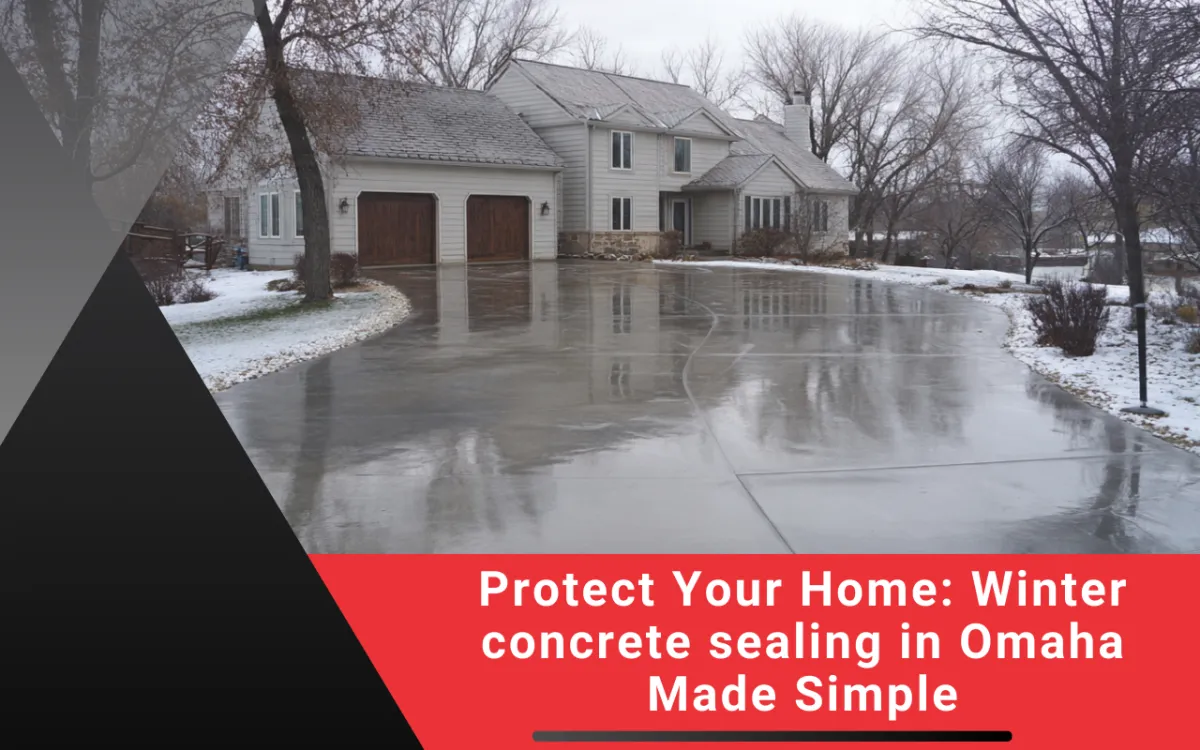
Protect Your Home: Winter concrete sealing in Omaha Made Simple
Winter concrete sealing in Omaha can feel stressful as temperatures drop fast. However, a smart plan helps you avoid cracks and surface damage. WMG Caulking often sees driveways fail after repeated winter swings.
Therefore, you can protect your slab with the right sealer and good timing. In addition, you will keep a clean look through the season. Use this guide to stay prepared and confident.
Choosing the Right Sealer for Cold Days
For Winter concrete sealing in Omaha, pick a product made for low temperatures. A Cold weather concrete sealer Omaha blend can soak in and lock down better on chilly days. Also, a penetrating sealer for winter Omaha option helps reduce water entry.
Even so, read the label and follow the limits. If you want local help, WMG Caulking can point you to proven choices.
How Freeze and Thaw Hurt Concrete
Water slips into small pores and tiny cracks. Then it freezes, expands, and pushes the surface apart. As a result, you may see chips, pits, and bigger cracks by spring.
Winter concrete sealing in Omaha helps block moisture, which slows this cycle. In addition, freeze-thaw concrete protection Omaha plans help your slab stay safer and smoother.
Surface Prep Before You Seal
First, clean the slab so the sealer can soak in evenly. Dirt, oil, and loose grit can block the coating. Therefore, sweep well and wash with a mild cleaner. Then let the surface dry fully.
Remove leaves, sand, and salt residue.
Scrub stains so the finish stays even.
Let joints and edges dry longer.
Winter Timing and Conditions to Watch
Before Winter concrete sealing in Omaha, check the next two days of weather. Choose a day with stable temperatures and low humidity. Also, avoid sudden snow or wind-driven dust.
Air and slab temperature should stay steady.
Plan for longer drying in shaded areas.
Keep pets and cars away until cured.
Best Practices for Applying Sealer in Cold Weather
Next, mix the product gently and test a small spot. Then apply in small sections to keep a wet edge. Also, use steady passes to avoid thick lines. This approach supports Winter concrete sealing in Omaha without patchy areas.
If you want a clean, even finish, WMG Caulking can handle the hard parts and help you avoid rework.
Curing Tips When Temperatures Drop
Cold air slows drying, so plan extra time. Follow the maker’s notes on curing time below 40°F, and keep traffic off the slab. In addition, avoid washing or salting the surface right away.
Winter concrete sealing in Omaha works best when the film sets fully before moisture returns.
Ensuring Long-Term Durability After Sealing
After sealing, inspect the surface every few months. Look for dull spots or areas where water stops beading. Then touch up small sections early, since small fixes prevent bigger repairs.
For ongoing care, WMG Caulking can also guide a simple maintenance schedule that fits your property.
Maintenance Tips for Sealed Concrete During Winter
Even with sealing, good winter habits matter. Therefore, keep debris off the slab and rinse salt when possible. Also, use gentle traction aids instead of harsh chemicals.
Use a broom or blower to clear leaves.
Rinse de-icer residue during warm spells.
Use sand for grip, not sharp grit.
Common Mistakes to Avoid
Do not seal over damp concrete, since bonding can fail. Also, avoid applying during extreme cold unless the label allows it. In addition, do not over-apply, because thick coats dry slowly and may stay tacky.
Most importantly, plan the day, tools, and access routes before you start.
Frequently Asked Questions
Can I seal concrete if it drops near freezing at night?
Yes, but only if the product allows it. Also, keep the slab dry and protect it from overnight moisture.
What type of sealer works best for winter conditions?
Choose a winter-rated formula that soaks in well. In addition, follow the label for temperature limits.
How do I know the concrete is dry enough to seal?
Wait until the surface looks uniform and feels dry. Then check shaded spots, since they hold moisture longer.
Should I seal new concrete right before winter?
It depends on age and moisture. Therefore, follow cure guidance and avoid sealing if water is still leaving the slab.
Where can I learn more about local sealing needs?
Read about freeze-thaw damage in Omaha concrete and how to prevent it.
Achieving Winter-Ready Concrete Surfaces in Omaha
Winter concrete sealing in Omaha is a proactive way to protect driveways, patios, and walkways. However, results depend on prep, steady weather, and patient curing. For deeper guidance, explore why concrete sealing matters and the best time to seal concrete in Nebraska.
Also, if you want professional support, WMG Caulking offers concrete sealing services in Nebraska. When you are ready, schedule a winter sealing check to protect your surfaces with confidence.